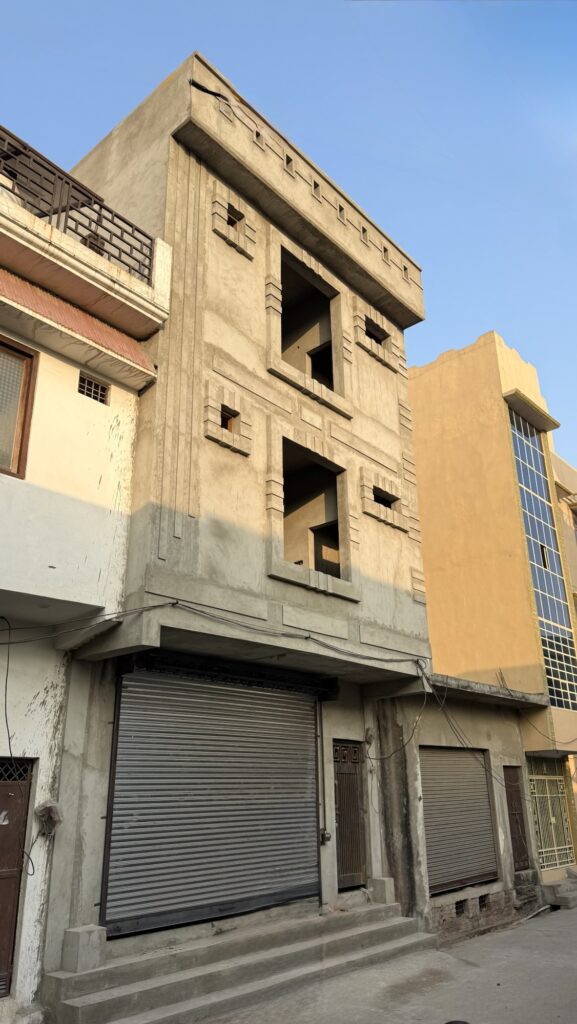
Building a house in a village is an exciting project. It generally offers more space, fresh air, and lower overall construction costs compared to building in a crowded city. However, logistics, material availability, and local weather patterns require unique planning.
Whether you are looking to build a traditional home using local materials or a modern reinforced concrete structure, keeping a clear order of operations is key to preventing costly mistakes.
The Construction Process
Here is the essential step-by-step sequence for a durable, well-built village home:
Site Preparation & Plot Leveling
Step 1
Clear all bushes, rocks, and loose topsoil. Level the ground properly so water flows away from your future foundation during heavy rains.Foundation & Footing Excavation
Step 2
Dig trenches based on your structural plan. For a standard single or double-story village home, a reinforced concrete footing with column starters is highly recommended to handle soil shifts.Plinth Beam & Damp-Proof Course (DPC)
Step 3
Tie the columns together at ground level with a concrete plinth beam. Apply a damp-proof layer (a water-resistant barrier) on top of this beam. Do not skip this—it stops ground moisture from creeping up your walls and ruining your interior paint later.Wall Construction & Lintels
Step 4
Raise the walls using locally available bricks, fly-ash blocks, or compressed earth blocks. Install concrete lintel beams over every door and window opening to distribute the weight of the roof safely.Roofing & Slabs
Step 5
Depending on your climate and budget, pour a reinforced concrete roof slab for a modern finish, or install a traditional sloped roof using steel/wooden trusses and tiles to easily shed heavy rainwater.
Smart Tips for Village Building
- Water Source First: Before any digging starts, secure a reliable source of water (like a borehole or tanker supply). Mixing concrete and curing walls requires thousands of liters of clean water.
- Source Materials Locally: Transporting sand, gravel, and bricks over long distances can easily double your transportation costs. Look for local brick kilns or stone quarries nearby.
- Plan for Utilities Early: Rural areas often face power fluctuations or lack centralized sewage systems. Plan your septic tank location, rainwater harvesting pits, and backup power options (like solar setups) right at the blueprint stage.